
In many machining applications, setting up vises manually wastes valuable spindle time while creating inconsistent clamping between parts. Vektek’s powered self-centering vises minimize these issues by automatically centering workpieces to a precise, repeatable position with push-button actuation.
The VFB family of self-centering vises use standard hydraulic or pneumatic pressures to support high-speed production cycles with precise repeatability. The VCV family conveniently uses higher supply pressures used on most traditional CNC fixtures to provide the same precise repeatable holding force.

VFB Pneumatic Self-Centering Vise
VFB Hydraulic Self-Centering Vise

VCV High Pressure 250 Bar Hydraulic Self-Centering Vise

Vektek Vise Jaw Blanks
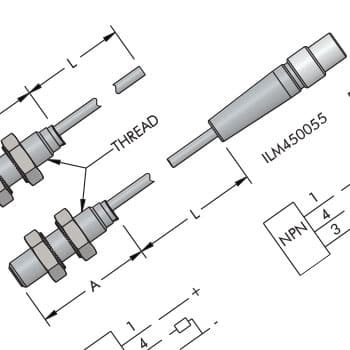
Inductive Proximity Switches
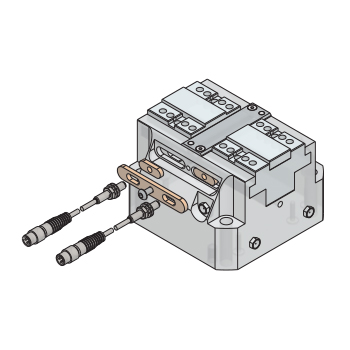
“S” Vise Inductive Proximity Sensor Mounting Kit
Powered CNC Vises for Precision Machining
Many conventional milling machine vises and drill press vises use a single moving jaw to push material against a stationary jaw, often requiring operators to locate the part’s center before machining. A powered self-centering vise is a workholding tool that clamps a part on a fixed centerline, reducing the time operators spend manually locating each workpiece. Vektek self-centering vises use two opposing jaws that move together to help maintain repeatable part placement across production runs.
Pneumatic or hydraulic actuation closes the jaws with controlled, repeatable force from cycle to cycle. This consistency helps reduce clamping variation and simplify automation in CNC machining cells. With the right controls and integration, powered CNC vises can support robotic loading, automatic machining and higher-volume production.
Benefits of Self-Centering Precision Machining Vises
Powered self-centering vises provide many operational advantages for shops that prioritize throughput and automation, including:
- Faster setup cycles: Push-button actuation eliminates manual cranking and centerline alignment, helping maximize spindle utilization across production runs.
- Consistent clamping force: Pneumatic and hydraulic actuation provide repeatable clamping pressure from cycle to cycle, helping reduce part-to-part variation.
- Automation-ready design: Integration with CNC control systems enables robotic loading and automated manufacturing cells for higher-volume production environments.
- Reduced operator fatigue: Automated actuation eliminates the physical effort required for manual vise operation, supporting safer and more ergonomic workflows.
Choosing the Right Hydraulic or Pneumatic Vise for Your Application
Production managers and CNC machinists should consider several factors when selecting a powered vise:
- Machining intensity and material: Pneumatic vises suit high-speed operations in softer materials, standard hydraulic vises handle typical steel machining and high-pressure hydraulic vises provide maximum clamping force for hardened materials.
- Workpiece size range: Match the vise jaw width and maximum opening to your typical part dimensions and check product specifications to ensure the vise accommodates both your smallest and largest workpieces.
- Automation requirements: Evaluate whether your operation needs simple push-button control for manual loading or full CNC integration with robotic loading for automated manufacturing cells.
- Available power: Verify that your shop has the compressed air or hydraulic power infrastructure required for your selected vise type.
Applications for Self-Centering Vises
Powered self-centering vises are used in vertical and horizontal CNC machining centers, drilling operations and milling applications at various production volumes. Automated manufacturing cells integrate these vises with robotic loading systems for higher-throughput production. High-mix manufacturing environments rely on powered vises to reduce operator setup time and maintain consistent part positioning for various workpiece geometries.
FAQs
Browse our most Frequently asked Self-Centering Vise questions and if you have an issue that isn’t covered here, reach out to our product support team below.
Are self-centering vises better than standard vises?
Self-centering vises work better for high-volume production of cylindrical or symmetrical parts because both jaws grip simultaneously, automatically centering the workpiece. Standard vises offer more flexibility for irregular shapes or applications where you need independent jaw control.
Can self-centering vises handle high-pressure machining?
Yes. Vektek’s VCV high-pressure vises deliver up to 3,625 PSI and maintain clamping force through heavy cutting, drilling and milling.
What factors affect ROI for powered vises?
ROI depends on your production volume, part changeover frequency and labor costs. The primary cost savings come from eliminating manual cranking and alignment on each setup.
Upgrade Your Machine Shop With Vektek Self-Centering Vises
Vektek designs and manufactures self-centering vises that deliver consistent clamping force and positioning accuracy for demanding aerospace, automotive and metalworking operations. Contact us today to discuss your workholding needs. Our team can help you choose the most practical and effective solution for your shop.
You have questions? WE HAVE ANSWERS!
Use the contact button below to be connected with one of our team of experts.